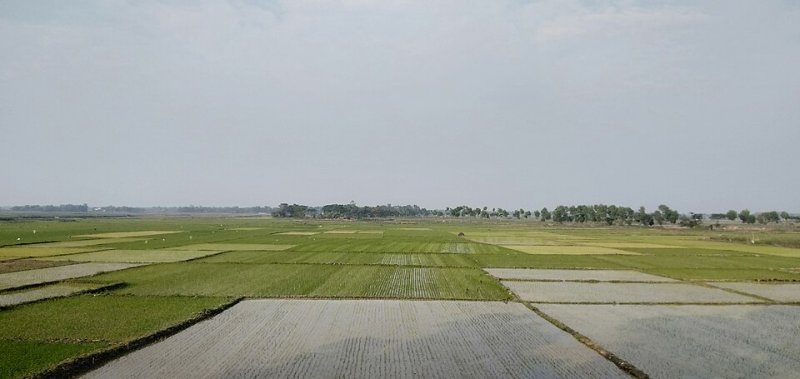
Naogaon district's boro harvest becomes crucial after northeastern floods damaged over 46,000 hectares of rice fields nationwide.
Naogaon district's boro rice harvest has taken on critical national importance following extensive crop damage in Bangladesh's northeastern haor regions during April and May 2026. Heavy pre-monsoon rainfall and upstream water inflows submerged approximately 46,000 hectares of paddy fields, creating a projected rice shortfall of over 200,000 metric tons.
Major rice-producing districts including Naogaon, Rajshahi, Natore, Bogra, and Joypurhat in the northwestern region have become crucial to offsetting the losses from the haor basin floods. Agricultural experts indicate that strong performance from these northern districts could have a stabilizing effect on rice prices and national food security.
Nirod Baran Saha, president of the Paddy and Rice Stockists and Wholesalers' Association in Naogaon, emphasized that the real market impact will become clear only after harvesting is largely completed in the northern regions. Boro rice accounts for approximately 55 percent of Bangladesh's total rice output and is critical to the country's food security.
The Department of Agricultural Extension reported that the crisis particularly affected seven haor districts - Sylhet, Sunamganj, Moulvibazar, Habiganj, Netrokona, Kishoreganj, and Brahmanbaria. Agricultural economist Jahangir Alam Khan estimated boro production could decline by as much as 10 percent nationally due to the floods, fertilizer shortages, and rainfall issues.
For farmers and residents of Atrai Upazila and surrounding areas in Naogaon district, the successful harvest means not only local economic benefits but also a vital contribution to ensuring adequate rice supplies for the entire nation during this challenging agricultural season.