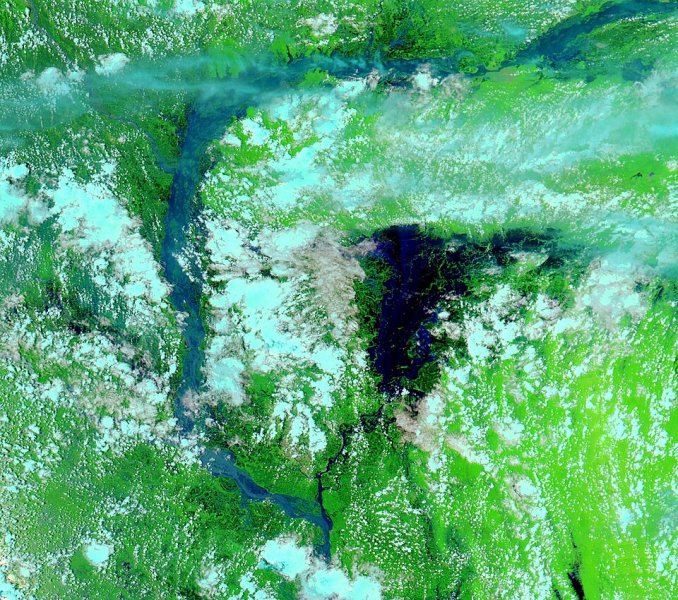
Heavy monsoon rains since early July have caused severe flooding in southeastern and northeastern Bangladesh, affecting over 1 million people across 10 districts.
Since early July 2026, torrential monsoon rains and upstream runoff have triggered severe flooding across Bangladesh, particularly affecting southeastern and northeastern regions. More than one million people have been impacted across ten districts, with 51 deaths reported as of mid-July according to government officials.
The worst-affected areas include Chattogram, Cox's Bazar, Rangamati, Bandarban, and Khagrachhari districts, where widespread inundation has damaged homes, roads, and cropland. Over 267,000 families have been stranded, and authorities have opened more than 1,000 evacuation shelters housing over 38,000 displaced residents.
The International Organization for Migration has described this as one of Bangladesh's most severe monsoon emergencies of the year. Relief operations are ongoing, with distribution of rice, dry food, and cash assistance to affected communities. The flooding has also disrupted communication networks and caused extensive damage to infrastructure across the affected regions.
While Rajshahi Division has not been among the worst-affected areas in this particular flood event, meteorological authorities had earlier warned of potential flooding risks in northern regions during July. Residents are advised to stay informed about weather conditions and river water levels throughout the monsoon season.
The Bangladesh Meteorological Department continues to monitor rainfall patterns as the monsoon season progresses. Climate experts note that rising temperatures in the Bay of Bengal are intensifying rainfall events, making Bangladesh increasingly vulnerable to such extreme weather conditions during monsoon months.