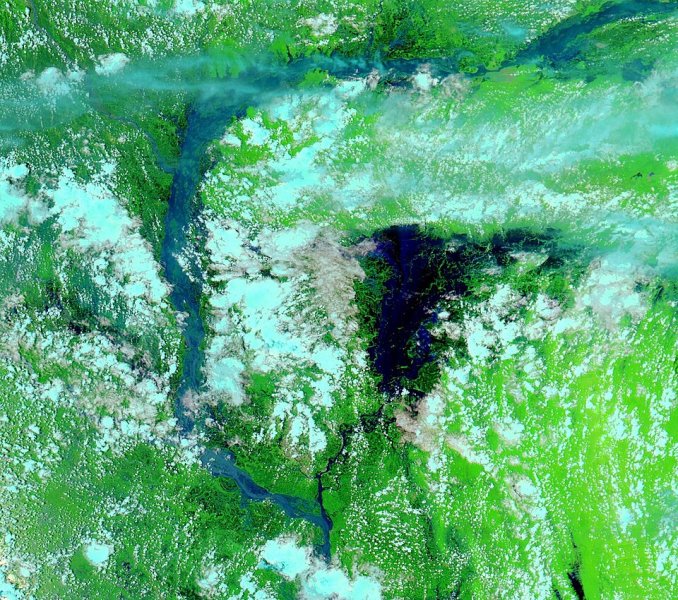
More than five million people affected by July 2026 floods across Bangladesh. Northern districts including flood-risk warnings issued by authorities.
Flash floods triggered by heavy monsoon rains have affected more than five million people across Bangladesh in July 2026, according to government agencies and national media reports. The disaster has caused significant loss of life, inundated tens of thousands of hectares of agricultural land, damaged infrastructure, and disrupted livelihoods across the country's southeastern, northeastern, and northern regions.
The Flood Forecasting and Warning Centre (FFWC) warned on July 3 that Bangladesh may witness flooding in the Brahmaputra and Meghna River basins during July and August due to heavy precipitation in their upper catchment areas. Flood warnings were issued for several northern districts including Nilphamari, Lalmonirhat, Rangpur, Kurigram, and Gaibandha, where river levels might cross danger marks within 24 to 72 hours.
The floods have dealt a severe blow to agriculture, with flooded cropland threatening seasonal food production. The disaster damaged tens of thousands of hectares of agricultural land, destroyed thousands of fish ponds, and disrupted transportation and essential public services. Agricultural experts note that northern rice-producing regions like Naogaon play a crucial role in offsetting crop losses from flood-affected areas.
Government authorities have intensified relief and preparedness measures across affected regions. The economic consequences extend beyond immediate destruction, affecting agriculture, fisheries, livestock, transport, and local businesses. Small farmers and informal workers face particular difficulties as they lose both productive assets and income simultaneously, making recovery challenging.