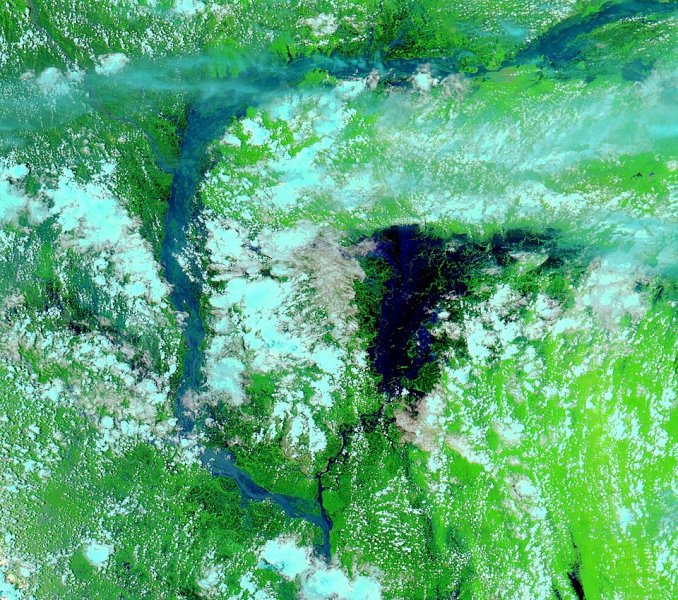
Heavy monsoon rains since early July have caused flooding across Bangladesh, affecting over 1 million people in 10 districts with 51 deaths reported.
Since early July 2026, torrential monsoon rains and upstream runoff have caused severe flooding across Bangladesh, affecting more than one million people in 10 districts. According to government figures as of July 12, the floods have claimed 51 lives, with over 38,400 people taking shelter in more than 1,000 evacuation centres across the country.
The worst-affected areas include the southeastern districts of Chattogram, Cox's Bazar, and Bandarban, where widespread inundation has damaged homes, roads, crops, and communication networks. More than 267,000 families have been stranded as heavy rainfall continues in some regions. The International Organization for Migration (IOM) is scaling up emergency response efforts to provide life-saving assistance to affected communities.
The July 2026 floods represent one of the most severe monsoon emergencies this year. In several locations, over 300-400 mm of rainfall was recorded within 24 hours, exceeding normal monsoon averages and triggering flash floods and landslides. Rescue teams, military personnel, and emergency workers continue relief operations as thousands remain trapped by rising floodwaters.
Experts attribute the intensity of the flooding to warming of the Bay of Bengal, which increases atmospheric moisture content and enables monsoon systems to carry larger volumes of water vapour. This climate-related factor, combined with heavy upstream rainfall from India's Meghalaya and Assam states, has exacerbated the crisis. Authorities continue to monitor the situation as the monsoon season progresses.