Farmers across northern Bangladesh have begun transplanting Aman rice seedlings encouraged by regular monsoon rains and favourable weather conditions.
Farmers in the Rangpur agricultural region have begun transplanting Aman rice seedlings, marking the start of the crucial monsoon season cultivation. The Department of Agricultural Extension (DAE) reports that regular monsoon rains and favourable weather conditions have created ideal conditions for this year's Aman season.
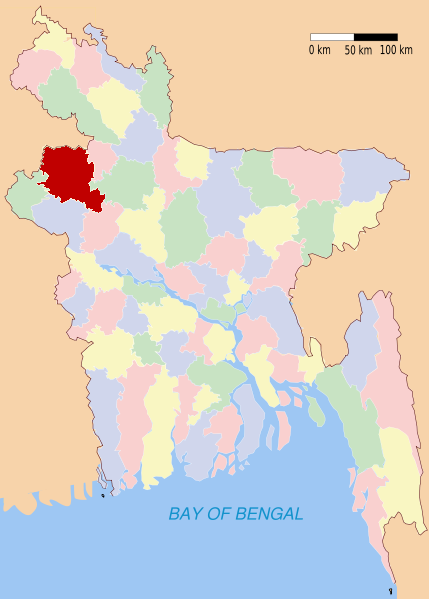
The Rangpur region, which includes areas neighbouring Naogaon district, has set a production target of 20.05 lakh tonnes of clean Aman rice this season. Farmers are reporting high morale following record Boro rice harvests earlier this year, which yielded good market prices and strong returns.
Agricultural authorities are distributing quality Aman seeds and fertilisers free of cost to small and marginal farmers to support cultivation and increase production. Officials have also arranged for seedlings of late-yielding Aman varieties to be raised in permanent seedbeds in highland areas and floating seedbeds in low-lying areas to prevent any shortage during potential floods.
The Bangladesh Agricultural Development Corporation (BADC) and the Barind Multipurpose Development Authority (BMDA) are keeping irrigation pumps ready to facilitate timely transplantation if rainfall becomes inadequate. Field-level DAE officials and agriculture-related institutions are providing farmers with necessary support, training and modern technologies to ensure successful cultivation.
Aman rice, typically planted between July and August and harvested between November and December, is the second-largest rice crop in Bangladesh after Boro. The crop is heavily reliant on monsoon rains and plays a vital role in the country's food security and agricultural economy.